Acne scars can serve as stubborn and unwanted reminders of past breakouts. For many people, they cause emotional distress and a lack of confidence in social or professional settings. These marks—often long-lasting and difficult to conceal—result from the skin’s natural healing process after inflammation or severe acne. Fortunately, advancements in dermatological treatments have brought about promising solutions for managing and even minimizing the appearance of these scars. Among the most effective of these treatments is the Pico laser, a cutting-edge technology designed to address multiple types of acne scars with minimal downtime.
In this comprehensive guide, we’ll explore:
-
The different types of acne scars
-
Why Pico laser is emerging as a leading treatment
-
How it works
-
What to expect before, during, and after treatment
Understanding Acne Scars: What Are You Dealing With?
Acne scars are not one-size-fits-all. They vary widely in appearance and depth, depending on the severity and type of acne, skin type, and healing response. Proper identification of the scar type is crucial for choosing the most effective treatment.
1. Atrophic Scars
Atrophic scars are the most common type of acne scars and form when there’s a loss of tissue during the healing process. They appear as sunken or depressed areas in the skin and are further classified into three subtypes:
a. Ice Pick Scars
-
Deep, narrow, and sharply defined pits
-
Look like tiny puncture marks
-
Difficult to treat due to their depth
b. Boxcar Scars
-
Broad depressions with sharply defined edges
-
Often caused by inflammatory breakouts like cysts and pustules
-
Resemble scars from chickenpox
c. Rolling Scars
-
Have a wave-like appearance
-
Caused by bands of scar tissue forming between the skin and subcutaneous tissue
-
Create an uneven, undulating skin texture
2. Hypertrophic Scars
Hypertrophic scars occur when the skin overproduces collagen during the healing phase. These scars are raised, firm, and may fade over time but often remain thick and visible.
3. Keloid Scars
Keloids are a more extreme form of hypertrophic scars. They grow beyond the boundaries of the original acne lesion and can be painful or itchy. Keloids are more common in people with darker skin tones and can be challenging to treat.
Why Do Acne Scars Form?
Scars form as a part of the body’s natural wound healing process. When acne lesions, particularly cysts and nodules, penetrate deep into the skin, they damage the tissues beneath. In response, the body produces collagen fibers to repair the area. If too little collagen is produced, it leads to atrophic scars. If too much is produced, hypertrophic or keloid scars form.
Introducing Pico Laser: A Revolutionary Approach to Acne Scar Removal
What Is Pico Laser?
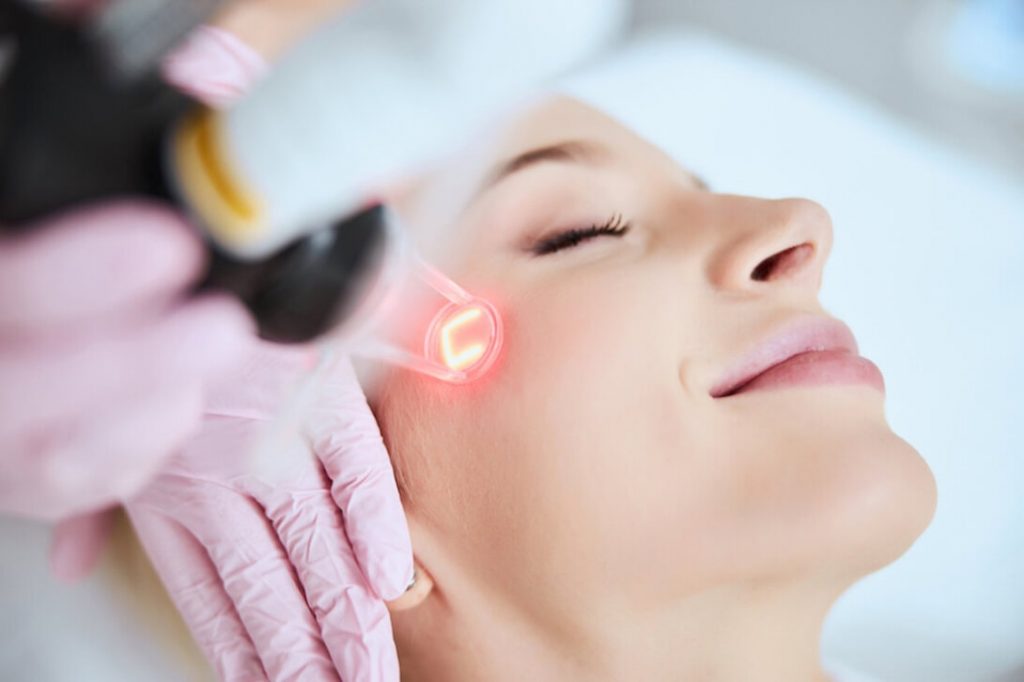
Pico laser (short for picosecond laser) is a non-invasive laser treatment that uses ultra-short bursts of energy—measured in picoseconds (trillionths of a second)—to break down scar tissue and stimulate the body’s natural healing process. It’s known for being both gentle on the skin and highly effective, making it an ideal option for those who want visible results with minimal recovery time.
Unlike traditional lasers that rely on heat to destroy pigment or scar tissue, the Pico laser uses photoacoustic energy. This means less damage to surrounding skin and lower risk of side effects such as burns, inflammation, or post-inflammatory hyperpigmentation (PIH).
How Pico Laser Works on Acne Scars
The treatment works by delivering concentrated laser energy into the dermis, targeting both the pigmented cells and the fibrous scar tissue. Here’s what happens during the process:
-
Fragmentation of Scar Tissue: The laser pulses create tiny shockwaves that break up the dense scar tissue beneath the skin.
-
Collagen Stimulation: The energy also stimulates fibroblasts to produce fresh collagen and elastin—two essential proteins for smooth, firm skin.
-
Cellular Renewal: The body naturally removes the damaged cells, allowing new, healthy skin to replace the old scarred tissue over time.
Benefits of Pico Laser for Acne Scars
Patients and dermatologists alike are turning to Pico laser therapy for a variety of reasons:
1. Precision
Pico lasers target specific skin layers and problem areas without affecting the surrounding tissue, making them ideal for treating localized acne scars on the face, back, or chest.
2. Minimal Downtime
Unlike more aggressive procedures, Pico laser treatments allow you to resume daily activities almost immediately. Most patients experience only mild redness and sensitivity for a day or two.
3. Faster Results
Many patients begin to notice improvement after just 2–3 sessions, with optimal results typically achieved after 4–6 treatments depending on scar severity.
4. Safe for All Skin Tones
Thanks to its unique non-thermal mechanism, Pico laser is generally safe for darker skin tones, which are more susceptible to pigmentation issues with traditional laser treatments.
5. Improved Skin Texture and Tone
In addition to scar reduction, Pico laser treatments can also reduce enlarged pores, pigmentation spots, and uneven skin tone—giving you a healthier, more youthful appearance.
What to Expect: Before, During, and After the Treatment
Before Treatment
-
Consultation with a certified dermatologist is essential to assess your skin type, scar classification, and medical history.
-
You may be advised to avoid sun exposure, retinoids, and exfoliating agents a few days prior.
During the Session
-
The procedure typically lasts 15–30 minutes, depending on the treatment area.
-
A numbing cream may be applied to reduce discomfort, though most patients tolerate the treatment well.
-
You may feel a mild snapping sensation, similar to a rubber band against the skin.
Aftercare & Recovery
-
Mild redness and slight swelling are common and usually subside within 24–48 hours.
-
Use gentle skincare products and sunscreen religiously for a few days.
-
Avoid harsh treatments (e.g., scrubs, chemical peels) until your dermatologist gives the green light.
Is Pico Laser Suitable for Everyone?
While Pico laser offers excellent results for many, it may not be suitable for everyone. Certain individuals with severe keloid tendencies, uncontrolled skin conditions, or active acne flare-ups may be advised to postpone or consider alternative treatments.
Always consult a licensed dermatologist or laser specialist who can create a customized treatment plan tailored to your skin type, scar type, and goals.
Final Thoughts: A Modern Solution to an Age-Old Problem
Acne scars no longer have to be a permanent reminder of your skin’s past. With treatments like Pico laser, there’s real hope for restoring a smoother, clearer, and more confident you. Thanks to its advanced technology, minimal downtime, and proven effectiveness, Pico laser has quickly become a top choice in the dermatological world for acne scar revision.
However, like any cosmetic treatment, results vary from person to person. The best outcomes come from proper diagnosis, professional guidance, and consistency in treatment.
If you’re tired of battling scars and are ready to take a step towards revitalized skin, consider speaking with a certified skincare professional about Pico laser therapy—it might just be the transformation you’ve been looking for.